

Feature Story
MEMBER MENU


Get in the know with our latest story.
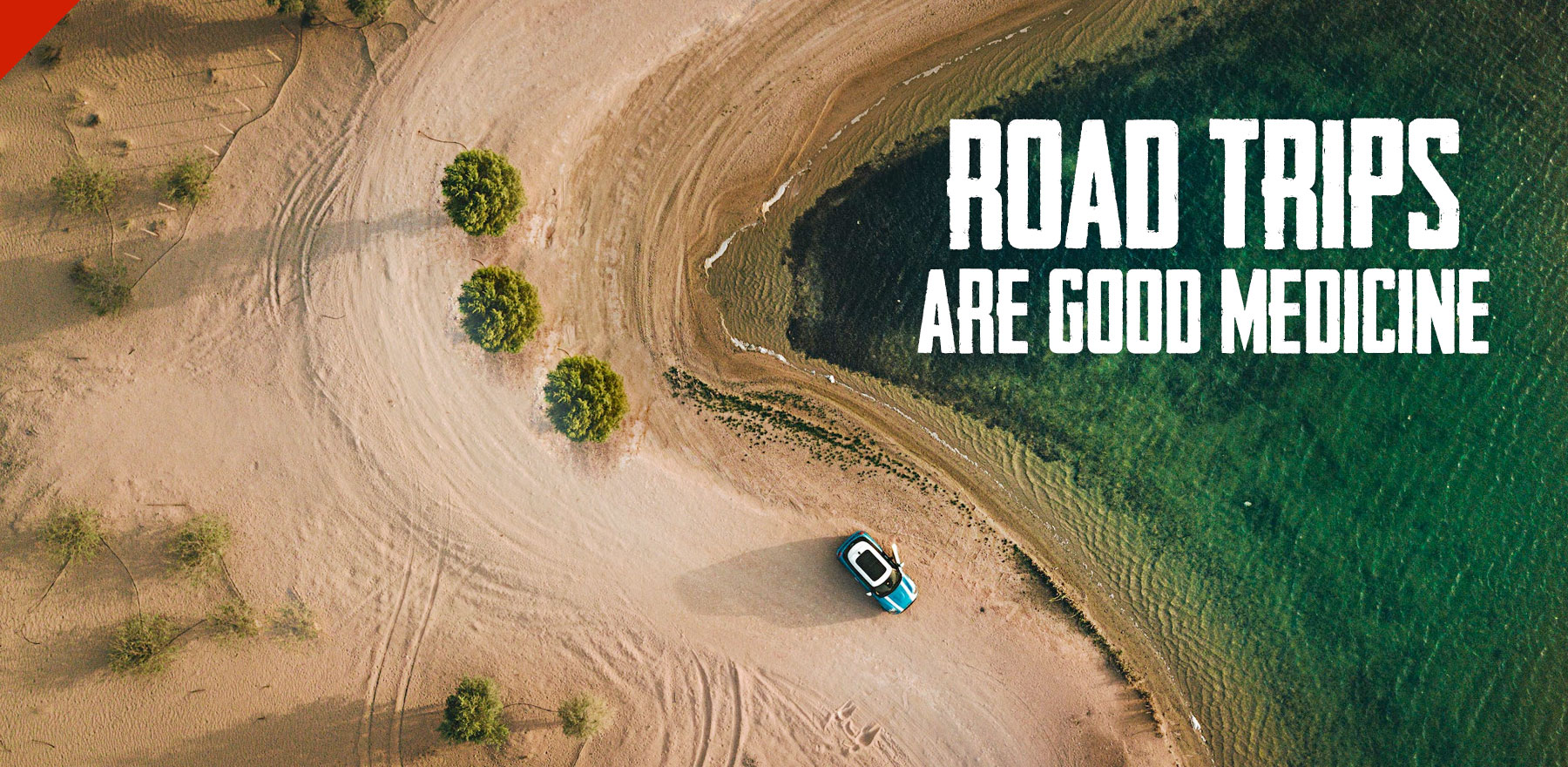
The psychological impact of taking a road trip.
Taking a road trip can have several psychological impacts on individuals. Here are a few possible effects:
- Increased sense of freedom and independence: Road trips provide a sense of freedom as individuals have the opportunity to explore new places and travel at their own pace. This can lead to a feeling of independence, which can be empowering.
- Reduced stress: Getting away from the daily routine and experiencing new surroundings can be a great way to reduce stress. Road trips can help individuals escape from the demands of work or school and provide a chance to relax and unwind.
- Enhanced creativity: The change in scenery and new experiences can help stimulate the brain and enhance creativity. Road trips can also provide inspiration for artists, writers, and other creative individuals.
- Improved social connections: Road trips can be a great way to bond with friends or family members. Spending time together in a new environment can create shared experiences and memories that can strengthen relationships.
- Increased sense of accomplishment: Successfully planning and executing a road trip can provide a sense of accomplishment and boost self-confidence. This can be especially true for individuals who may have never traveled on their own before.
Overall, road trips can be a positive and rewarding experience for individuals, offering a range of psychological benefits.

How does living remotely out on the open road impact decision-making?
Living remotely out on the open road can impact decision-making in a few different ways. Here are a few possible effects:
- Increased self-reliance: Living remotely on the open road requires individuals to rely on themselves more than they might in a more urban or suburban setting. This can lead to increased confidence in one’s decision-making abilities and a greater sense of independence.
- Heightened awareness: When living on the road, individuals may need to be more aware of their surroundings and potential dangers. This heightened awareness can lead to more thoughtful and deliberate decision-making.
- Increased risk-taking: On the other hand, the sense of freedom and adventure that comes with living on the open road can also lead to increased risk-taking behaviors. This may include taking on challenging hikes, trying new and potentially dangerous activities, or making impulsive decisions.
- Greater flexibility: Living remotely on the open road can also require individuals to be more flexible in their decision-making. Plans may need to be adjusted based on weather, road conditions, or unexpected challenges that arise. This can foster a more adaptable and resourceful mindset.
Overall, living remotely on the open road can impact decision-making in both positive and negative ways. It can lead to increased self-reliance and heightened awareness, but may also increase risk-taking behaviors. The experience can also foster greater flexibility and adaptability, which can be valuable skills in any setting.
Regarding modern self-reliance, what can people do to become more self-sufficient?
Modern self-reliance refers to the ability of individuals to provide for their own needs and those of their families without relying on external systems, such as the government or corporations. With the rise of technology and increased access to information, modern self-reliance has become more feasible for many people.
Here are some things people can do to become more self-sufficient:
- Learn new skills: Learning new skills can be a great way to become more self-sufficient. This could include learning how to garden, raise chickens, or repair household appliances. Online resources, such as YouTube tutorials, can be a great place to start.
- Reduce reliance on external systems: People can become more self-reliant by reducing their reliance on external systems. This might involve installing solar panels to generate electricity, collecting rainwater for household use, or growing food in a backyard garden.
- Build a community: Building a community of like-minded individuals can be a great way to share knowledge and resources. This could involve joining a local gardening club, participating in a community-supported agriculture program, or attending homesteading workshops.
- Develop a mindset of self-sufficiency: Becoming more self-sufficient requires a mindset shift towards taking responsibility for one’s own needs. This might involve reducing consumption, reusing and repairing items instead of buying new ones, and becoming more self-aware about personal needs and wants.
Overall, becoming more self-sufficient requires a willingness to learn new skills, reduce reliance on external systems, build community, and develop a mindset of self-sufficiency. While it may take time and effort to become fully self-reliant, taking steps towards greater self-sufficiency can bring a sense of empowerment and resilience in an increasingly complex world.
What kind of new technology can people use to become more self-reliant?
There are a variety of new technologies that can help people become more self-reliant. Here are a few examples:
- Solar panels: Solar panels can be a great way to generate electricity and reduce reliance on the grid. Advances in solar technology have made panels more efficient and affordable, making it easier for individuals to install them in their homes or businesses.
- Water filtration systems: Access to clean water is a critical aspect of self-reliance. Water filtration systems can help individuals filter water from natural sources, such as streams or lakes, and make it safe to drink.
- 3D printing: 3D printing technology allows individuals to create objects on-demand, reducing the need to rely on external supply chains. This could include printing replacement parts for broken appliances or creating custom tools and equipment.
- Smart home technology: Smart home technology can help individuals monitor and control their home environment more efficiently. For example, smart thermostats can adjust the temperature based on occupancy, reducing energy use and cost.
- Hydroponic systems: Hydroponic systems allow individuals to grow plants without soil, making it possible to grow food in small spaces or in areas with poor soil quality. Advances in hydroponic technology have made it easier and more affordable for individuals to set up their own systems.
Overall, new technologies can help individuals become more self-reliant by reducing reliance on external systems, increasing efficiency, and improving access to critical resources such as energy and clean water.
How can utilizing your personal knowledge be leveraged with new technology to create an income?
Utilizing personal knowledge and new technology can be a powerful combination for creating an income. Here are a few ways to leverage personal knowledge with technology to generate income:
- Online courses and coaching: If you have expertise in a particular field, you can create and sell online courses or offer coaching sessions through video conferencing software. Platforms like Udemy and Teachable make it easy to create and sell courses, while coaching software like Zoom and Skype make it possible to offer one-on-one coaching.
- Content creation: If you have knowledge in a particular area, you can create content, such as blog posts, videos, or podcasts, and monetize it through advertising, sponsorships, or affiliate marketing. Platforms like YouTube and Medium make it easy to create and publish content, while affiliate marketing platforms like Amazon Associates make it possible to earn a commission on sales generated through your content.
- Online marketplaces: If you have skills in a particular area, such as graphic design or programming, you can sell your services on online marketplaces like Fiverr and Upwork. These platforms connect freelancers with clients looking for specific skills and services.
- E-commerce: If you have knowledge of a particular product or market, you can start an e-commerce business selling that product. Platforms like Shopify make it easy to set up an online store, while drop-shipping services like Oberlo make it possible to sell products without holding inventory.
Overall, leveraging personal knowledge with new technology can create opportunities for generating income. By identifying your unique expertise and finding ways to share it through technology, you can create a flexible and rewarding source of income.
Have ideas on how to improve this section? Submit them here.
FROM OUR SPONSOR