
Feature Story
MEMBER MENU


Get in the know with our latest story.
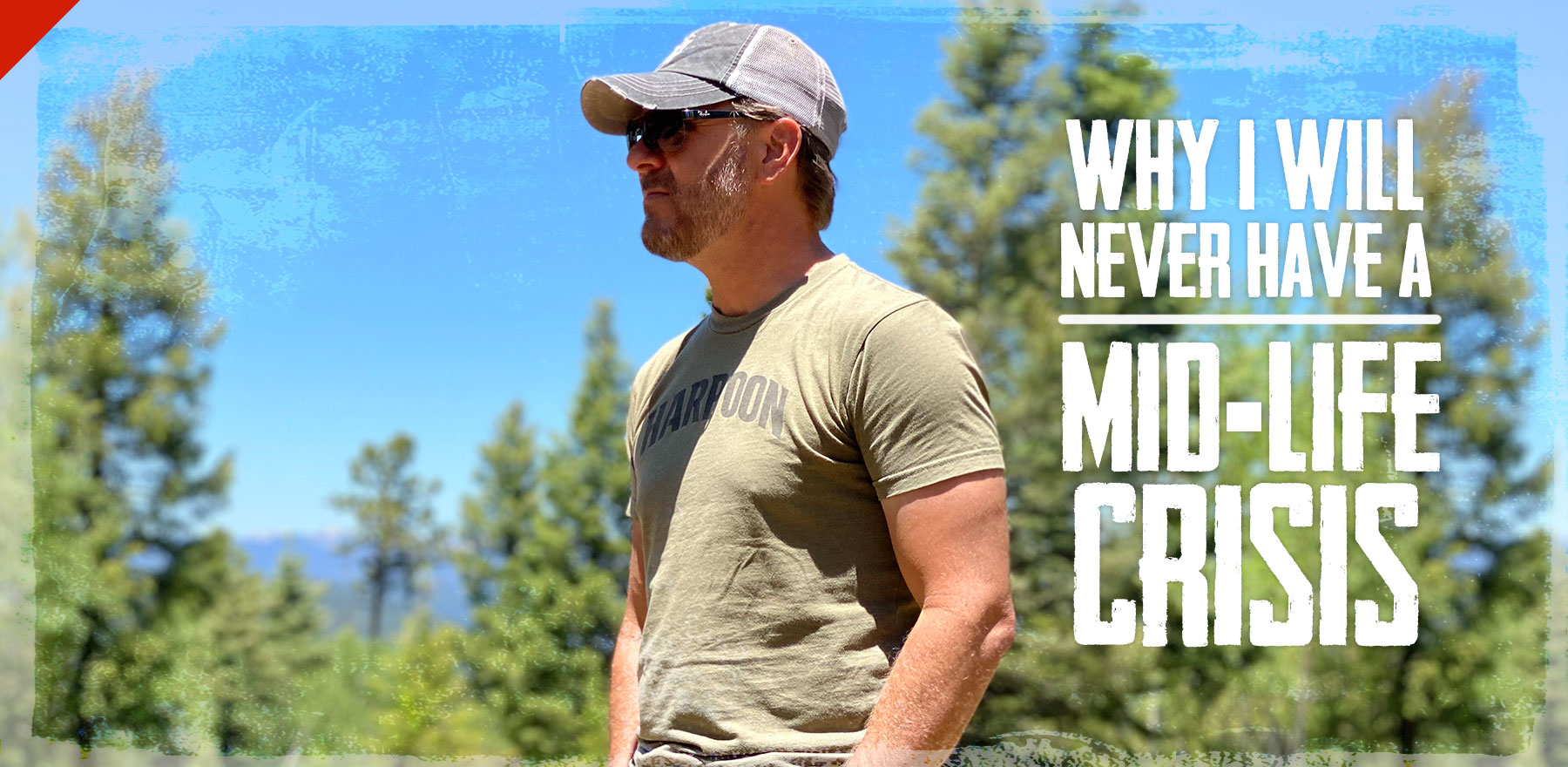
There is still a lot of chatter on the web about this whole mid-life crisis nonsense. Even with the advent of the pandemic which has since forced corporations to allow employees the opportunity to work remotely, it is still clear that humanity is in a work format rut that even a lifted four-wheeler with 40-inch mud-terrains and a winch can’t seem to dredge through.
My personal impression of the typical work environment is that it is about as outdated and expired as the jar of Mayo I once found in an abandon cabin on the White Sands Missile Range in New Mexico that hadn’t seen human occupation since the mid 1940’s.
Not much good has come from this pandemic other than the opportunity for the corporate workforce to experience a much-needed pseudo sabbatical from the cubes many of my corporate friends have referred to as their prison cell. To have a fellow adventurer tell me at the end of an epic weekend that they have to go back to prison tomorrow is downright depressing and tremendously disturbing.
Don’t get me wrong. I believe there is a need for a centralized and organized system of collaboration between corporate teams assigned to achieving a goal. But I also believe that productivity has nothing to do with babysitting. Thus, corporations with remote work environments that strive to get the life/work balance figured out are the companies that will truly succeed in the future.

Having said this, I found myself assessing our path forward from here…together. Honestly, when I really sat down to think about it, I discovered that I have no particular strong unfulfilled desires, unfulfilled needs, or unfulfilled wants. I find myself in a strange, unknown place in life. I am at peace with what is.
Frankly, I find that I work astronomically harder and more efficiently having been either self-employed or working remotely for a company over the past 10 years. If I truly think about it, I think it has much to do with the gratitude I have for being able to work where, when, and how I choose.
A company that asks me to sit in front of a computer in order to ensure I am actually working hasn’t truly grasped the state of modern technology nor the understanding that individuals like me work way more efficiently and inspired when I can decide when it’s time to actually get things done. Sometimes that is at 3AM on a Sunday morning but that is my prerogative.
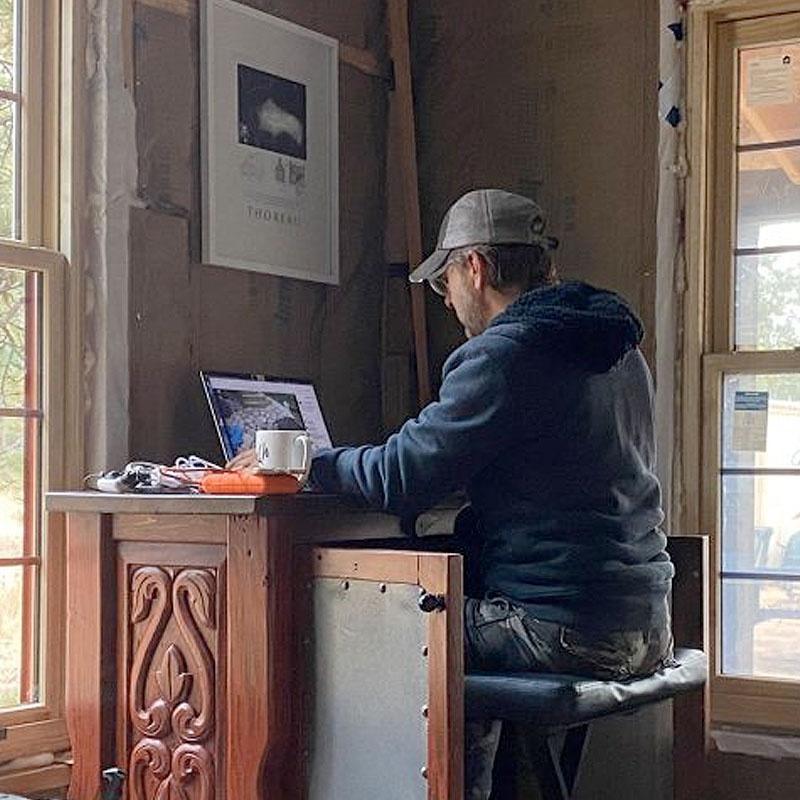
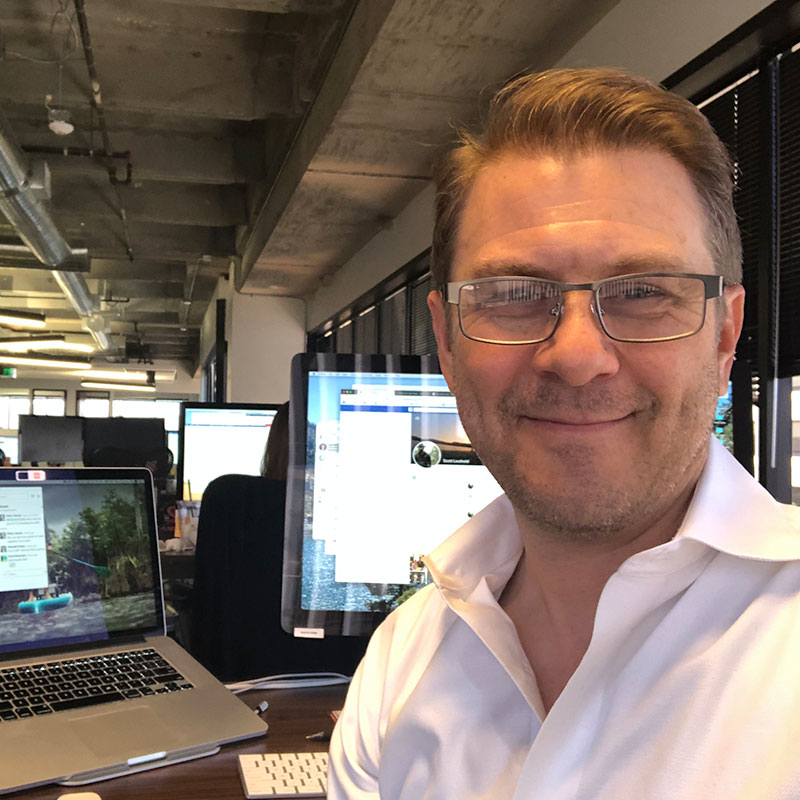
This article for instance: When it is time to sit down and write, I can crank out a meaningful, inspiring article in about a half hour. Yet, if I am commanded to sit down and write, I am much less successful. Inspiration cannot be commanded. Trust me, I have tried it on myself more than once with nominal success.
I have found that productivity is best achieved when a list of tasks is presented to conquer with a reasonable timeline for completion and the duty to execute is left up to the person assigned to that list. In fact, I have led many teams and have discovered this has always been the best way to collaborate. Showing a team that they can be trusted with managing their own time goes a long way to building rapport.
With a true, consorted effort to achieve a cohesive remote work environment by companies and a deliberate effort for employees to learn how to—in a sense—be their own boss (i.e. manage time, create a designated work space at home, establish specific times for focus, execute on very focused and productive online meetings, and producing effective outcomes on assigned tasks) I believe that the future is bright for remote work/life balance scenarios.
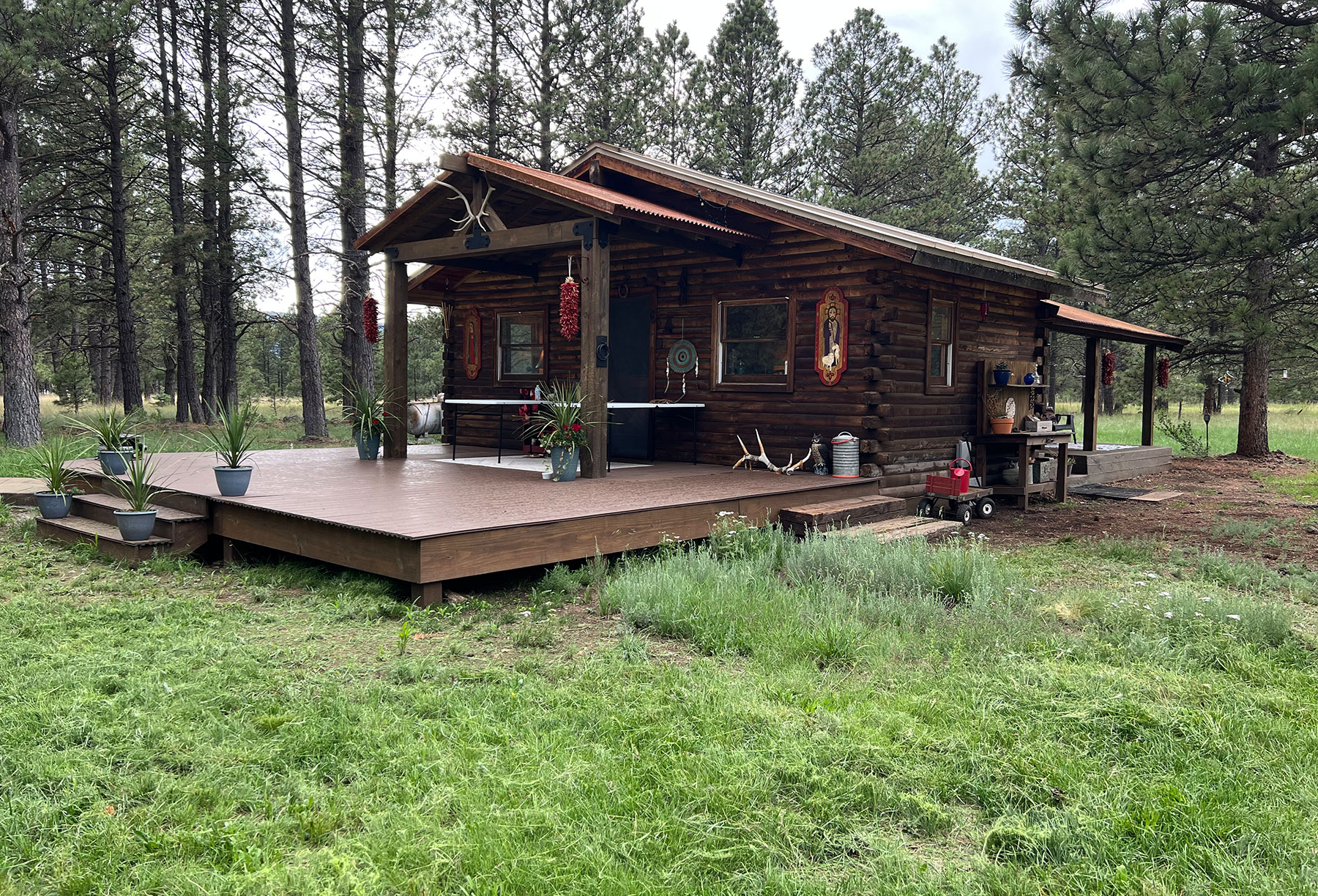
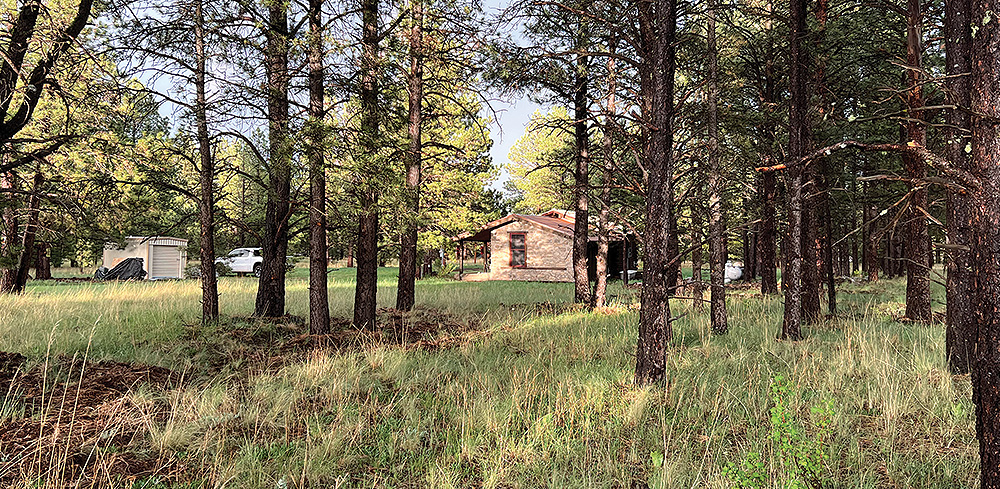
How do I know? Because I have spent the last 10 years mastering such a life balance. I now live full time in a small log cabin that I own free and clear that sits at over 8,000 feet in elevation on five acres of forest surrounded by 11,000-foot to 13,000-foot peaks. I have managed to install fiber optic Internet to my cabin and can/do successfully work remotely. I am able to conduct Zoom calls with people around the globe right from my little corner of paradise. I can honestly say that my productivity equals or exceeds what I achieved when working in a three-piece suit on the 21st floor of a high-rise building in downtown Phoenix, Arizona. And when I work, it is a desire rather than an obligation.

And, as the world continues to become more connected through technologies like Starlink, it really shouldn’t matter where you find yourself. Corporations shouldn’t really have much concern for where you are so long as you are efficiently and productively tackling the list of assigned tasks with self-applied time discipline. In fact, they can likely experience inspired thinking and achievements not obtained by an in-office corporate culture.
Corporate burn out is a real thing. I wouldn’t personally know. I have never experienced it because I have always remained respectful of my personal life needs and followed my heart in my work goals. But I have many friends and family members that have experienced—or are currently experiencing—this exact pitfall. Many of us get caught up in “have tos”. We get consumed by traditional methods for living and working. We are taught to believe that to achieve success we must do this or that according to a societal norm. Then, someone invents Napster and forces an entire industry—and subsequently an entire generation—to change that standard of thinking. Middle men get cut out of the equation and as a result, unexpected efficiencies unveil themselves, productivity is improved, and new inspiration is sparked.

“As it turns out, the meaning of success has shifted by about 45 degrees and that shift has skewed the path for how one might continue to climb the corporate ladder.”
Even in the realm of science the best inconclusive belief is truth until someone proves it wrong. That is the entire premise of science. And, even more astonishing is the reality that those who oppose that temporary truth are considered rogue or fringe if they present an opposing out-of-the-box theory. In fact, many scientists of the past have been shunned and chastised for beliefs that go against the standard until one day—often after they have long passed away—someone takes a good hard look at what they were trying to prove and finds their theory was actually sound. It is sad but true that out-of-the-box thinking—though seemingly encouraged in the corporate world—is actually in many cases discouraged.
In the past I have written articles about the value of time. There, in my opinion, is nothing on this planet more valuable than time. Even if time itself is only a perception in this human reality, we have but this moment. And, moment after perceived moment we advance seemingly forward until one day we are no longer granted existence here. Time—not money—is the commodity in which all work and life experiences are leveraged and monetized. The companies who understand that an individual’s time is of utmost value and strategize according to it are those that attract the real champions.
I think one of the most successful strategies of the corporate world is the control of perceived time. Corporations have mastered the perception that time is money and money is time. They’ve instilled this perception that success is achieved by investing a certain amount of time to receive a certain amount of money. It’s a calculation and concept of control that employees must agree to in order to sustain employment. In so doing, corporations exhibit control to command employees rather than inspiration to encourage employer brand evangelism. A new way of thinking would be to value an employee’s time and market a corporate culture that embraces that particular value. In my opinion, such appreciation would create crusaders for their employer.
When I ran my brand agency and when I manage corporate teams, I always strived to inspire the people I was working for (as a leader, I worked FOR my team and together we worked FOR our clients and investors—our employer was the ultimate beneficiary). I have found that leading by inspiring people has always resulted in the best outcomes. And, at the end of the day, an inspired team is not only a productive team, but a happy and satisfied team.
The mid-life crisis should by now be a forgone conclusion and therefore should have been designed out of corporate culture long ago. It is predictable and predictability by nature is avoidable. The trouble is, like most mammoth and outdated vessels, coming about is a long, slow, arduous maneuver. And, if no more agile process is challenging that maneuver it remains the status quo for the efficiency benchmark of change.
I have noticed that the pandemic has resulted in the cart leading the horse. Employees were presented a life compared with how they had been living. Maybe they knew something wasn’t quite right. Maybe they couldn’t put their finger on it. But, one morning, when they put both bare feet on the cold floor of reality, a ray of sun pierced through the window and glared a new truth into their weary, bloodshot eyes. Many have come to discover that the typical method for life sustainment is no longer how they wish to proceed and achieve. A new canvas has presented itself to apply brush strokes to paint the life they wish to live—including not just work and career but free time, hobbies, and personal goals as well. They’ve come to understand they can actually have it all—or at least most of it all.

As it turns out, the meaning of success has shifted by about 45 degrees and that shift has skewed the path for how one might continue to climb the corporate ladder. It isn’t that the workforce doesn’t want to work. Nor is it that employees want to dump their careers and all of the sudden become minimalist survival homesteaders. Rather, people—humans like you and me—want to feel that they are living a good life every day of the week, not just on the weekends. And, truth be told, the good life also includes some form of work achievement and productivity—greatness. It means inclusion. It means corporate gratitude. It means leadership that inspires growth and rewards team members with kindness and appreciation. It means a new corporate culture. It means embracing technology designed to improve efficiency. It means no longer spending two hours a day sitting in commuter traffic. It means a new way of thinking on both sides of the equation.
There are very talented, experienced, and worthy people out there available for companies to assign to a corporate initiative that simply don’t want to spend 10 hours a day in a stuffy office under florescent lights looking out windows that don’t open. And, if corporations can learn to trust in a human’s deep desire to achieve life greatness and come to understand our innate need for regular exposure to nature, time for individual clarity and centering, and our overall tendency to seek inclusion and appreciation, I believe the future for the corporate world is exceedingly bright. As it turns out, those of us that might be considered rogue or fringe that choose to live in an environment that honors our true nature will not only be accepted by the corporate world but down right coveted.
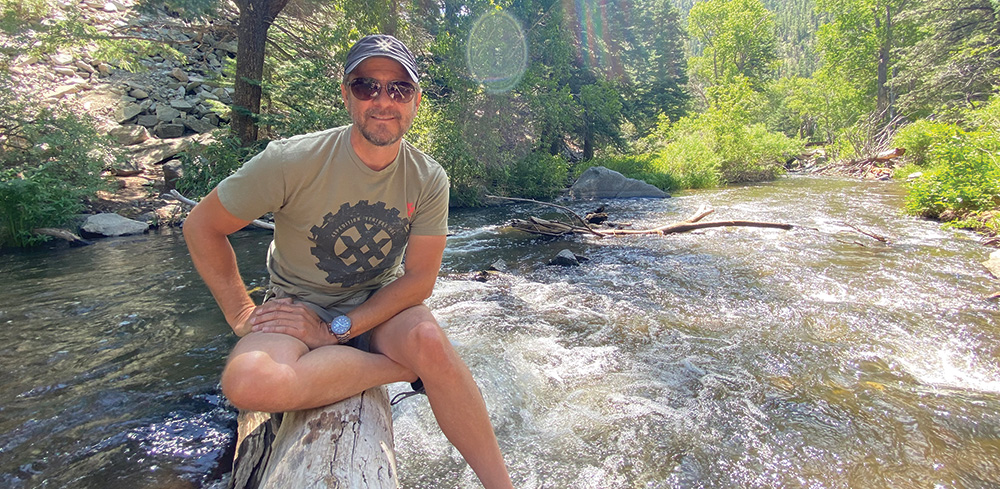
It is here in the beautiful green forest surrounding me among the mountains and crystal streams that I, for one, am inspired to achieve great things. I have absolutely nothing clouding my focus when I sit down to conquer. I am clear about what success is—to me. And, when I am away from my workspace, I have found myself often thinking about strategic ways to execute with visualizations of achieving greatness. The question is, who besides me will be rewarded with my inspiration and be gifted the outcomes of that greatness? Who will embrace a candidate that knows who they are enough to never be faced with such doubt and distress of a crisis in the middle of not only a life but the responsibility to their employer, their family and spouse, and others who count on them? For me, that has become a decision based on desire rather than need. That is a great thing for both me and my employer because the result is more likely to be a unified triumph.
It is truly time for a work methodology revolution. Those who embrace such a shift will benefit in countless, unforeseeable ways. It is time for leaders to be brave and charge forward. It is time for employers to discover the results that a truly inspired, well-balanced, satisfied team can achieve.
Have ideas on how to improve this section? Submit them here.
FROM OUR SPONSOR