

Article Library
MEMBER MENU
Overlanding and Car Camping, What’s The Difference?
I’ve been an avid camping enthusiast for more than 30 years. I have found myself camping out the back of many different vehicles, pitching tents next to my bicycle on 800-mile bicycle trips, trekking on foot with a pack on my back, and sleeping in pitched rooftop tents above several different vehicles. To me, it is all camping.
In around 2005, Overlanding as a sport or active pastime entered the US market. Overlanding was a thing elsewhere in the world and enjoys a rich history in Australia, South Africa, and other parts of the world.
As is generally the case here in the United States, someone along the way finds a way to make money from some leverage of a term and that is exactly the kind of stranglehold the sport of Overlanding has had over those with an adventurous spirit here.
Nonetheless, let’s not make it more than it really is.
Ever since motorized vehicles made their debut on America’s soil, there have been adventurous folks expanding their view by vehicle travel. Along the way, and with the advent of long connecting highways such as Route 66, road-tripping became a popular pastime––mostly because air travel at the time was too costly for most citizens.
With road-tripping, car camping found its way into the domestic culture, and camping out of the back of one’s vehicle has been the constant for inexpensive family road travel ever since.
Car camping is the practice of equipping your trunk with essential gear for living temporarily in natural places that are accessed by driving a vehicle. Generally including a tent, table, chairs, camp stove, and essential cooking and sleeping gear, car camping gear and equipment has been manufactured and provided by staple brands such as Coleman, Eureka, and others.
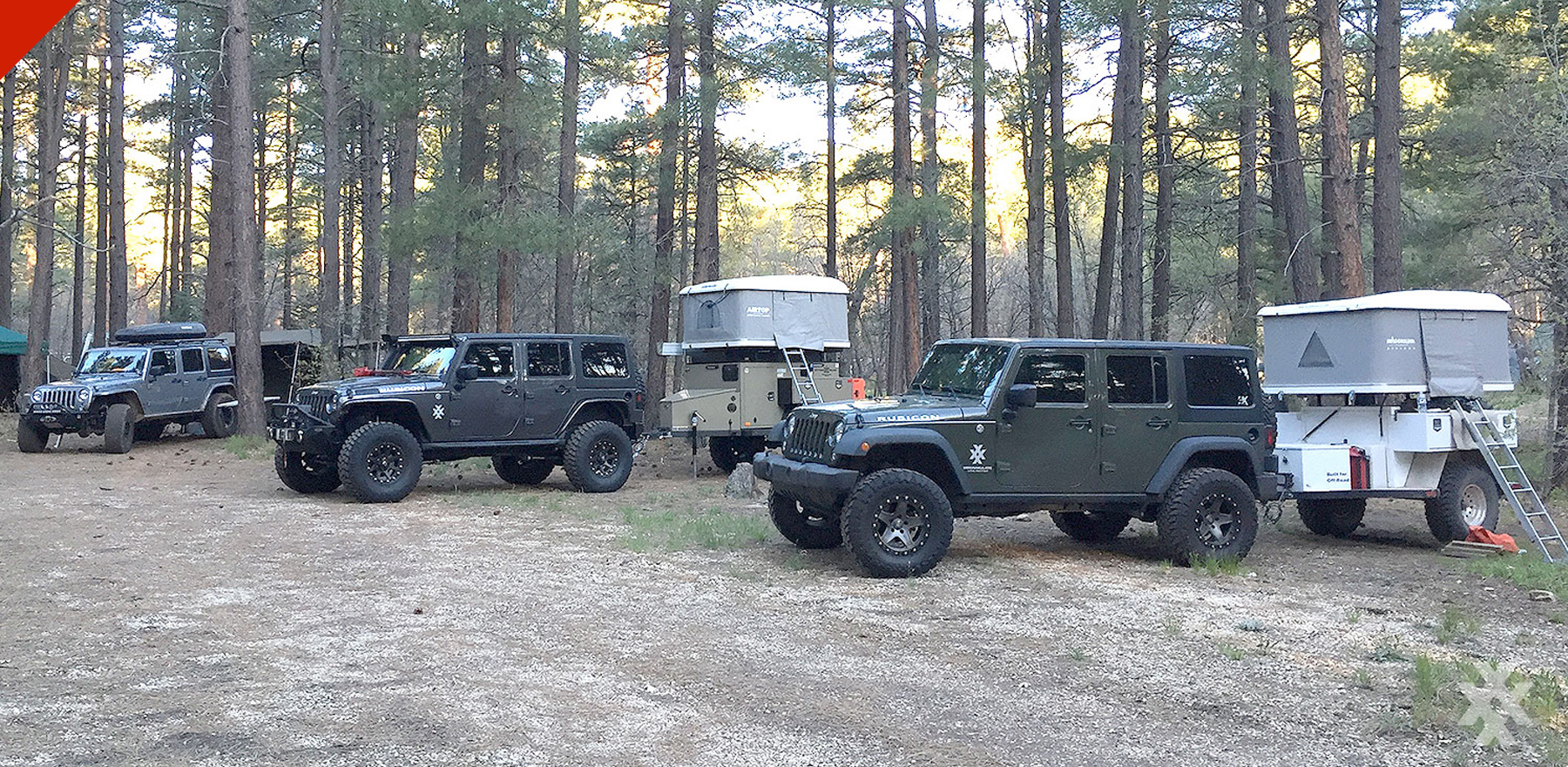
So, what is Overlanding in comparison to your typical car camping experience? The primary difference between a typical car camping adventure and an overland adventure is the means of mobility which generally affords the driver more extreme and remote access to camping destinations.
Most typically, a high clearance vehicle is the focal point. The vehicle is equipped with heavy-duty off-road tires, all-wheel or four-wheel drive, and recovery gear to get unstuck in the event of a mishap. The vehicle is also outfitted with what I call ‘backcountry convenience’ gear and equipment designed to make for rapid setup and takedown as well as extended stay features such as battery-powered refrigeration rather than your typical cooler.
The cultural philosophy of Overlanding is that the activity is as much, if not more, about the journey than the destination. In fact, many overland trips are adventures that have no destination. I have met many people who are on extended overland trips spanning not days or even months, but years. In fact, one of the primary standard measures of Overlanding is the saying “go slow, go far”.
In the USA however, the cost of equipping a vehicle has become, shall we say, exorbitant. And, because so, the activity of rigging a vehicle first took shape among the aftermarket off-road vehicle modification crowd. The desire for a complete and epic rig build became the norm and social media drove a rampant passion for the vehicle build even more than the activity of backcountry travel.
Nonetheless, there are also those DYI folks that have found a niche in building their own rigs and in so doing have sparked a movement of inexpensive outfitting.

At the end of the day, both car camping and Overlanding are essentially the same. Especially if you consider a car camping experience may often be associated with a long-range road trip. The primary difference being the extreme lengths overlanders may go to access a remote local and map their journey along the way. Crossing rivers, bouldering, and steep ascents and descents may be commonplace in the typical overland adventure. Getting stuck or into otherwise dangerous situations is expected. Having the right knowledge and training is essential.
My vehicles are generally equipped and ready for either experience. Having a passion for exploration and adventure can often result in unexpected turns of events. Making a last-minute decision to turn off of a highway en route to a paved destination and onto a dirt track can elicit unexpected experiences that one must be prepared to face. Any car camping adventure can turn quickly into an overland adventure and just as quickly the opposite.
To me, Overlanding, car camping, backpacking, bikepacking, SUP adventures, and the like all have one primary goal: to have nature experiences and to create long-lasting memories of nature travel experiences with good friends, loved ones, or that epic solo journey.

Shop Our Entire Catalog!
Look cool this spring and show your support of the 4X Initiative. We give back! 5% of all purchase proceeds benefit The Nature Conservancy.
FROM OUR SPONSOR